Home › Private Road and Lane Paving
Improve access with professional private road paving in Indianapolis, IN. We build and resurface shared drives, lanes, and access roads with strong bases and quality asphalt. Our crew handles drainage, grading, and traffic needs for neighborhoods and rural properties. Request a consultation for your private asphalt road today.
Precision Asphalt Indianapolis provides professional private road paving throughout Indianapolis, IN, Indiana and the surrounding area. Our licensed, insured crew delivers safe, clean, on-time work with a free estimate before anything begins. Call (317) 793-2897 or request your free quote.
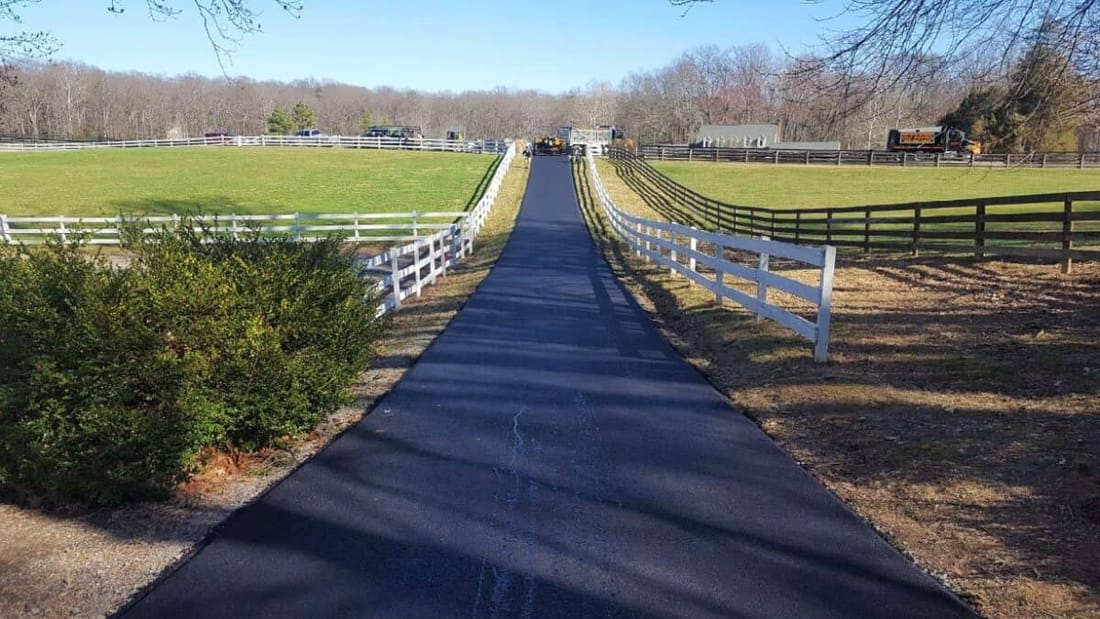
Private Road Paving for Properties in and Around Indianapolis
Private roads and lanes around Indianapolis take a beating from freeze-thaw cycles, farm and delivery traffic, and snow equipment. Precision Asphalt Indianapolis focuses on paving private roads that hold up to local conditions, not just look good on day one.
When we look at a private lane or access road, we are paying attention to soil type, drainage patterns, traffic mix (cars, pickups, grain trucks, delivery vans, emergency vehicles), and how snow and ice are usually handled on that property. A narrow residential lane off 86th Street needs different design choices than a half-mile shared gravel road serving several homes in Hendricks County. We plan your paving project around those details so the asphalt structure is appropriate for the actual use, not an average guess.
On this page, you will see what really goes into private road paving in Indianapolis, what affects cost, and how we deal with the specific problems that show up in central Indiana clay soils and our wide temperature swings.
How We Evaluate and Design Your Private Road or Lane
A durable private road starts with an honest evaluation. Precision Asphalt Indianapolis begins with a site visit, not a quote from a satellite image.
We walk the length of the road and check:
• Subgrade condition: Is the base firm or pumping underfoot after rain, especially in low spots and shaded areas.
• Existing surface: Gravel depth, size, and contamination with mud or topsoil. Old asphalt thickness and condition if any is present.
• Drainage: Ditches, driveway culverts, outlets, and any areas where water crosses or sits on the road.
• Access and slopes: Tight turns, steeper sections, and locations where vehicles routinely cut corners or brake hard.
Based on that inspection we recommend a structure, for example:
• Light duty lane (cars and pickups): 6 to 8 inches of compacted aggregate base with 2 to 2.5 inches of hot mix asphalt.
• Mixed traffic or light truck use: 8 to 10 inches of base with a 2 inch binder course plus a 1.5 inch surface course.
• Heavy or frequent truck use: 10 to 12 inches of base, thicker binder, and a higher performance surface mix.
In central Indiana, the clay soils hold water and move with frost. We often specify a thicker stone base or undercut soft spots, sometimes adding geotextile fabric to separate clay from stone. We explain these choices and show you on site where they matter so you understand why one section of road may need more work than another.
Step-by-Step: How Private Road Paving Is Actually Done
For a typical Indianapolis area private road or lane, Precision Asphalt Indianapolis follows a consistent process so the finished pavement is smooth and drains properly.
1. Clearing and stripping
We remove vegetation, topsoil, and any unsuitable material along the planned alignment. On existing gravel roads we strip contaminated, muddy layers so we are left with stable material to build on.
2. Grading and shaping
Using graders and skid steers, we shape the road profile with a center crown or proper cross slope so water sheds into ditches, not down the wheel paths. In flat Indiana ground, this slope is critical because water will otherwise sit and create potholes.
3. Base installation and compaction
We install compacted limestone aggregate, usually #53s or a blend, in lifts of 3 to 4 inches. Each lift is compacted with a vibratory roller to a specified density. We test firmness by proof rolling. If the base deflects or pumps under the roller, we undercut and correct those spots before moving on.
4. Fine grading and proof roll
Once the stone base is at full thickness, we fine grade it to the desired smoothness and check the slopes again. A final proof roll with a loaded truck can reveal weak areas that still need reinforcement.
5. Asphalt placement
For heavier use private roads we often install a binder course first, then a surface course on a separate day. The asphalt is delivered from an Indianapolis plant, placed with a paver, and compacted with steel drum and pneumatic rollers. We keep joints staggered and outside wheel paths when possible for long-term durability.
6. Tie-ins and shoulders
We transition the new pavement to existing driveways, barns, and garages so there are no trip lips. We build stone or topsoil shoulders to support the road edge, which is important on narrow lanes where drivers tend to run near the edge.
7. Final check and guidance
We walk the site with you when possible, confirm drainage flow, and go over use and maintenance guidelines, including timing for snow plowing and when to avoid heavy loads.
Material Choices and Surface Options for Private Lanes
Not all private roads need the same asphalt mix or finish. Precision Asphalt Indianapolis tailors materials to your traffic and budget, rather than pushing one standard solution.
Asphalt mix choices
• Standard surface mix: Good for most residential lanes where traffic is mainly cars and light trucks.
• Heavier duty mix: Used when you expect routine deliveries, horse trailers, or agricultural equipment. These mixes have more stone and are less prone to rutting in summer heat.
• Binder and surface combo: Two-layer systems are common on longer private roads. The binder carries the structural load, and the surface provides smoothness and weather resistance.
Thickness and width
We determine thickness by traffic and soil conditions. A lightly traveled 10 foot wide lane with firm subgrade may only need 2 to 2.5 inches of asphalt over a solid base. A shared half-mile road with weekly truck traffic often benefits from 3.5 or more inches in two lifts. We also discuss realistic widths. Many rural owners want to save money by going narrow. We explain the tradeoffs like difficulty for plow trucks and lack of recovery room at the edges, then set a width that fits your use and budget.
Edge support and shoulders
In our climate, unsupported asphalt edges tend to crack and break off over time. We recommend crushed stone shoulders at least 1 foot wide along both sides for most private roads. On steeper banks we may suggest topsoil and seed over compacted fill. These details are part of the quote, not surprises later.
Costs, Local Weather, and the Right Time to Pave in Indianapolis
Private road paving costs in Indianapolis vary because every site has different conditions. Precision Asphalt Indianapolis breaks your estimate into clear parts so you see what drives the number.
The main cost factors are:
• Length and width of the road or lane.
• How much base work is needed, including undercutting soft areas.
• Number of asphalt lifts and total thickness.
• Access issues such as tight entrances, low trees, or limited turnaround space for trucks.
• Drainage improvements like ditch regrading or new culverts.
Our climate and timing
Central Indiana seasons influence scheduling and performance. We prefer to lay asphalt when daytime temperatures are consistently above 50°F. Spring and fall tend to be ideal. In very hot July and August weather we adjust roller patterns and timing so the surface is not overworked and scuffed.
We also plan around rain. Paving over a wet base or allowing water to pool in fresh asphalt shortens pavement life. If we see a storm system setting up over Indianapolis and the surrounding counties, we may shift the schedule to preserve quality. We explain those decisions so you know we are not delaying without reason.
Winter conditions and salt use
Most private roads will see salt and plow blades. We design slope and surface texture to help with melt and drainage. A properly crowned lane will shed meltwater instead of refreezing in ruts. We also discuss plow setup, especially blade shoes and cutting edge types, so your contractor does not tear up the new surface in the first season.
What to Know Before You Hire a Private Road Paving Contractor
Before you commit to any asphalt contractor for private road paving, there are a few points that matter more than a low price.
Ask for a clear section-by-section scope. On longer private roads, Precision Asphalt Indianapolis often breaks the project into logical segments such as entrance, midsection, low-lying stretch, and hill or curve. Each may have different base depths or drainage needs. Your written proposal should spell that out instead of listing only a total square footage and a price.
Check how they handle drainage. A private road in Indianapolis that looks fine on a dry day can fall apart after a wet spring if ditches, culverts, and driveways are not designed together. Ask how water will move away from the pavement and where it will discharge. We regularly coordinate with homeowners on minor grading near garages and sheds to avoid sending runoff toward buildings.
Confirm traffic assumptions. Tell the contractor what will really use the road. If you have a landscaping business on the property, frequent RV traffic, or heavy propane deliveries, that needs to be part of the design. We size the base and asphalt thickness around those uses so you are not dealing with rutting and alligator cracking in a few years.
Finally, ask about access during and after construction. For most Indianapolis area private roads, we phase the work so residents and service vehicles can still get in and out. We explain how long the asphalt needs before it can handle turning movements from trailers or heavy trucks, usually 24 to 72 hours depending on temperature and mix.
If you want a straightforward assessment and a private road or lane that matches how your property is actually used, Precision Asphalt Indianapolis is set up to do exactly that.