Home › Gravel-to-Asphalt Conversions
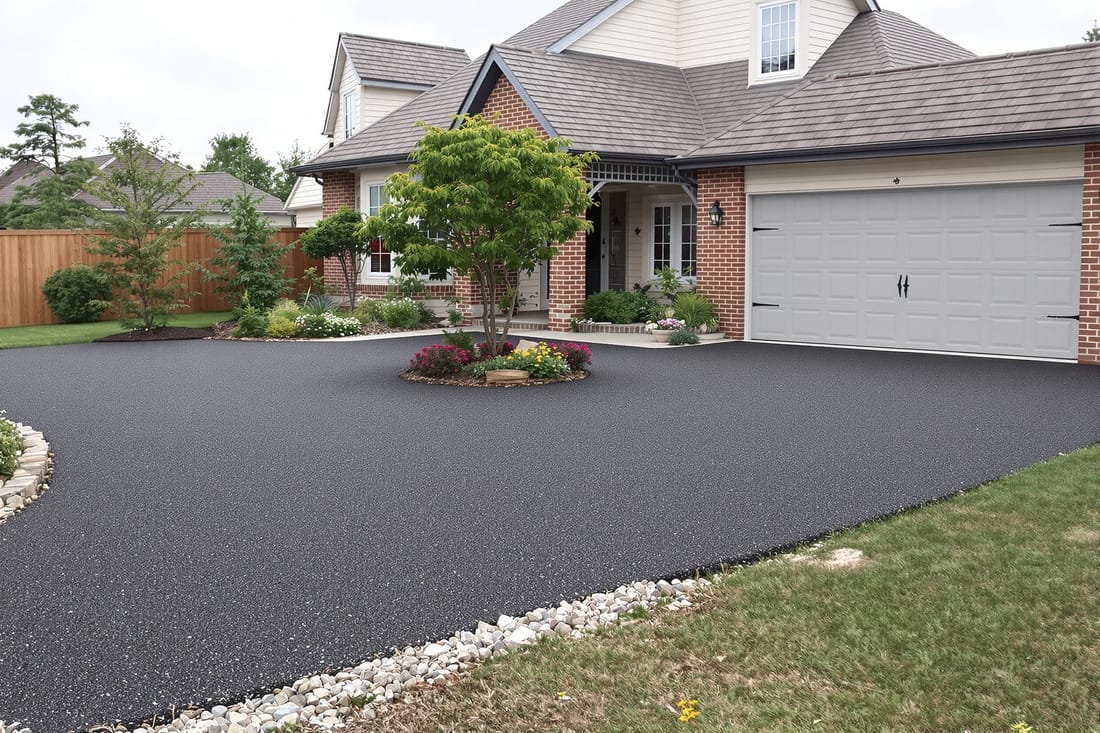
Upgrade from gravel with a gravel to asphalt driveway conversion in Indianapolis, IN. We regrade, compact, and pave over existing stone drives to create a clean blacktop surface. Our team ensures drainage and base strength for long term performance. Get a free estimate to convert your gravel driveway to asphalt today.
Precision Asphalt Indianapolis provides professional gravel to asphalt driveway throughout Indianapolis, IN, Indiana and the surrounding area. Our licensed, insured crew delivers safe, clean, on-time work with a free estimate before anything begins. Call (317) 793-2897 or request your free quote.
Turn Your Gravel Driveway Into a Durable Asphalt Surface
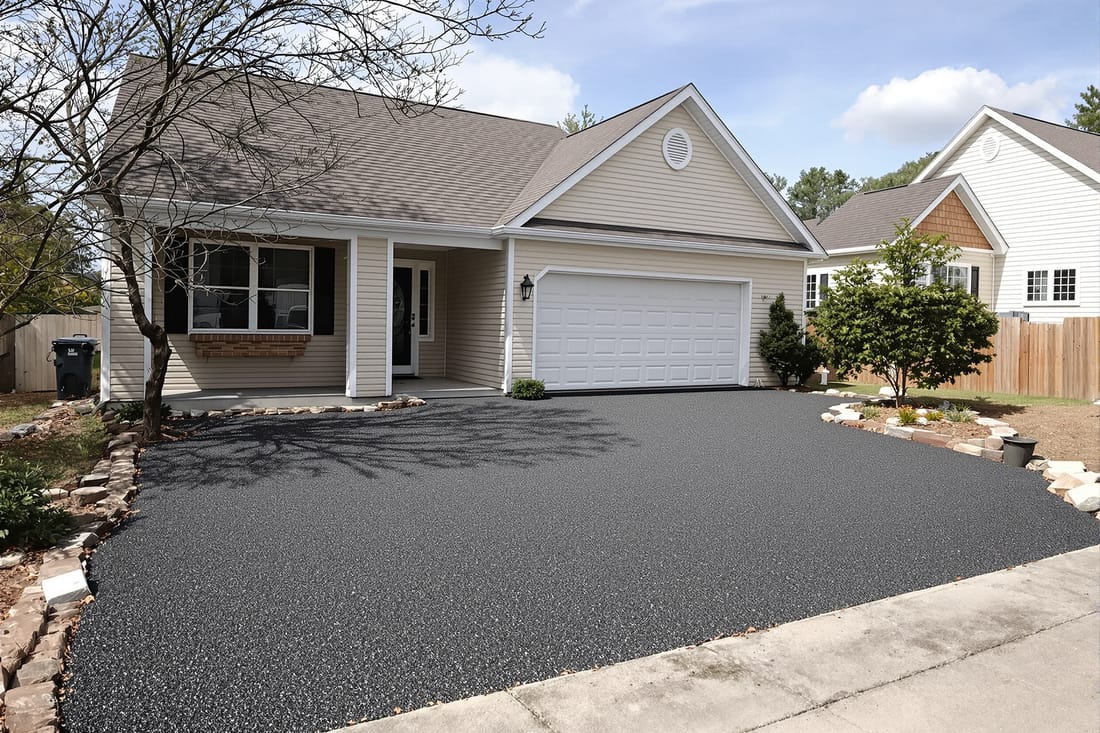
If you are tired of dust, ruts, and washouts on your gravel driveway, Precision Asphalt Indianapolis specializes in converting gravel to asphalt driveways that handle Indiana weather and everyday use. We work on city lots in Broad Ripple and Irvington, rural properties on the outskirts of Indianapolis, and everything in between.
A successful gravel to asphalt conversion is not just pouring blacktop on top of stone. The existing base must be evaluated, corrected, and compacted to support the asphalt for decades. Our crews look at your soil type, drainage, driveway slope, and the type and depth of existing gravel before we design the build. This engineering upfront is what separates a driveway that lasts 2 or 3 years from one that performs 15 years or more.
From the initial site visit to the final roller pass, you work with a local team that understands Marion County requirements, local soil conditions, and how central Indiana freeze and thaw cycles affect pavement.
Site Evaluation and Planning for Indianapolis Properties
Every gravel to asphalt driveway project starts with a detailed site evaluation. One of our estimators walks the full length of your driveway, checks existing gravel depth, looks for soft spots, and studies how water currently drains off the surface.
On older Indianapolis homes, especially in neighborhoods like Meridian-Kessler or near Fountain Square, we often see driveways that have been topped with gravel for 40 or 50 years. These usually have a decent stone base in some areas but pockets of clay and organics in others. We probe the base with a rod and, if needed, excavate a small test area to see exactly what is underneath.
The planning step also covers layout. We can straighten awkward curves, widen tight entrances for modern vehicles, add parking pads near garages, or adjust slopes to keep water away from foundations. If there are low spots that collect water or areas where snow melt refreezes, we design subtle elevation changes and drainage features so that the finished asphalt sheds water correctly.
You receive a written proposal that outlines thicknesses, base corrections, drainage recommendations, and specific materials. This gives you clear expectations instead of vague promises.
Base Preparation: The Critical Step in Converting Gravel to Asphalt
The most important part of a gravel to asphalt conversion is what you cannot see: the base. Asphalt placed on an unprepared or thin base will crack, rut, and fail quickly, especially in Indianapolis freeze and thaw conditions.
First, we strip off loose, contaminated, or oversized gravel that will not compact properly. Organic material like topsoil or roots is removed completely. If we find pumping clay pockets, we undercut those areas and replace them with compactable stone. On driveways with heavy truck use, such as small contractors or hobby farms, we increase base thickness to handle the load.
Next, we import and place compactable aggregate base, typically a dense graded stone such as INDOT 53s or similar, in lifts. Each lift is compacted with a vibratory roller to achieve a tight, stable platform. For longer country drives, we use heavier rollers and, if access allows, compact from multiple directions to lock the stone together.
We then fine grade the surface. This is where we set the final slope and cross fall. Around older Indianapolis homes with tight lot lines, we pay close attention to where water will run so it stays in your drive and yard, not your neighbor's. Only when the base is smooth, dense, and shaped correctly do we schedule asphalt paving.
Paving Process and Asphalt Thickness Options
Once the base is prepared, we install your new asphalt driveway using commercial-grade practices, not cut-rate shortcuts. Precision Asphalt Indianapolis uses hot mix asphalt sourced from local plants that meets or exceeds Indiana specifications.
For typical residential gravel to asphalt driveways, we recommend a minimum of 2.5 to 3 inches of compacted asphalt in one or two lifts, depending on the expected traffic. For homes that regularly see heavier vehicles like RVs, delivery trucks, or trailers, we may specify thicker asphalt or a two-course system with a stronger base layer mix and a finer surface course.
We place the asphalt with a paving machine whenever access and width allow. This ensures consistent thickness and a smoother finish than hand spreading alone. Edges are hand worked and compacted to create a tight, supported edge that resists breaking. The entire surface is then rolled with a steel drum roller, followed by a finish pass to remove lines and create a uniform appearance.
Tie-in areas, such as garage slabs, alleys, and public streets, are carefully matched so there are no abrupt bumps. In winter-prone Indianapolis, clean transitions help with snow removal and prevent blade catch points for plows and snow blowers.
Drainage, Add-ons, and Design Choices
Water management is crucial for a long lasting gravel to asphalt driveway. During the conversion, we may install shallow swales along the edges, add stone shoulder areas for runoff, or slightly crown the center of the drive so water moves to the sides. On sloped drives common in the hilly parts of the northwest side, we may incorporate small berms or adjust the profile so that water does not race straight down the pavement and erode the end.
If your gravel driveway currently tracks mud into your garage or carries water toward your basement, we can discuss options like trench drains at the garage door, catch basins in low spots, or tying downspouts into underground outlets that discharge away from the pavement.
You also have choices in layout and finish. We can widen the drive for easier backing, add a turnaround near the house, or create a defined parking pad. For properties near commercial corridors like East Washington Street or West 86th Street, we can design driveways to accommodate customer or employee parking and deliveries.
While residential asphalt is typically black, you can influence the final look with clean, crisp edges, integrated walk-off pads, and planned landscaping borders. We coordinate with your landscaper or provide basic edge stone recommendations so your new asphalt becomes part of a complete front yard improvement.
Cost Factors and Typical Price Drivers in Indianapolis
Homeowners often ask what a gravel to asphalt driveway will cost. The honest answer is that local site conditions drive price more than square footage alone. At Precision Asphalt Indianapolis, we walk you through these factors before any work begins.
Key items that affect cost include total driveway length and width, how much new base stone is needed, the thickness of asphalt specified, and how much grading or drainage correction is required. A short, mostly level driveway in a newer subdivision with a solid stone base might require minimal correction. A long, winding gravel lane in older parts of Franklin Township that has rutted into clay will need more excavation and base work.
Access also matters. Tight side yards found on many historic Indianapolis properties may require more hand work and smaller equipment, which can increase labor time. If trucks can back directly to the work area and dump, the project is more efficient and cost effective.
We provide clear written estimates that separate base repair, asphalt paving, and optional items like drains or added parking pads. This lets you prioritize what should be done now and what could be scheduled later if needed.
What to Expect Before, During, and After Your Conversion
Before the project starts, we will confirm utility locations, coordinate any permits required by the city or county, and agree on access arrangements. You will know which days crews will be on site and how long the driveway will be out of service. In most residential cases, the actual paving portion is completed in a single day once base preparation is done.
During construction, expect some noise from equipment and trucks. We ask that vehicles be moved out of the work area and that pets and children stay clear of machinery. Our foreman is on site to answer questions and explain what is happening at each stage.
After paving, the asphalt surface can typically accept light vehicle traffic within 24 to 48 hours, depending on temperature and mix design. We will give you specific guidance for your project. For the first season, we suggest avoiding parking in the same spot every day, especially in hot weather, to minimize tire marks while the pavement fully cures.
We also discuss maintenance. Sealcoating is usually recommended after the first year, not immediately, so the asphalt has time to cure. Filling small edge gaps with topsoil and grass seed helps support the sides and improves appearance. With proper drainage and routine care, a professionally installed gravel to asphalt driveway in Indianapolis can perform reliably for many years.