Home › Commercial Gravel-to-Asphalt Conversions
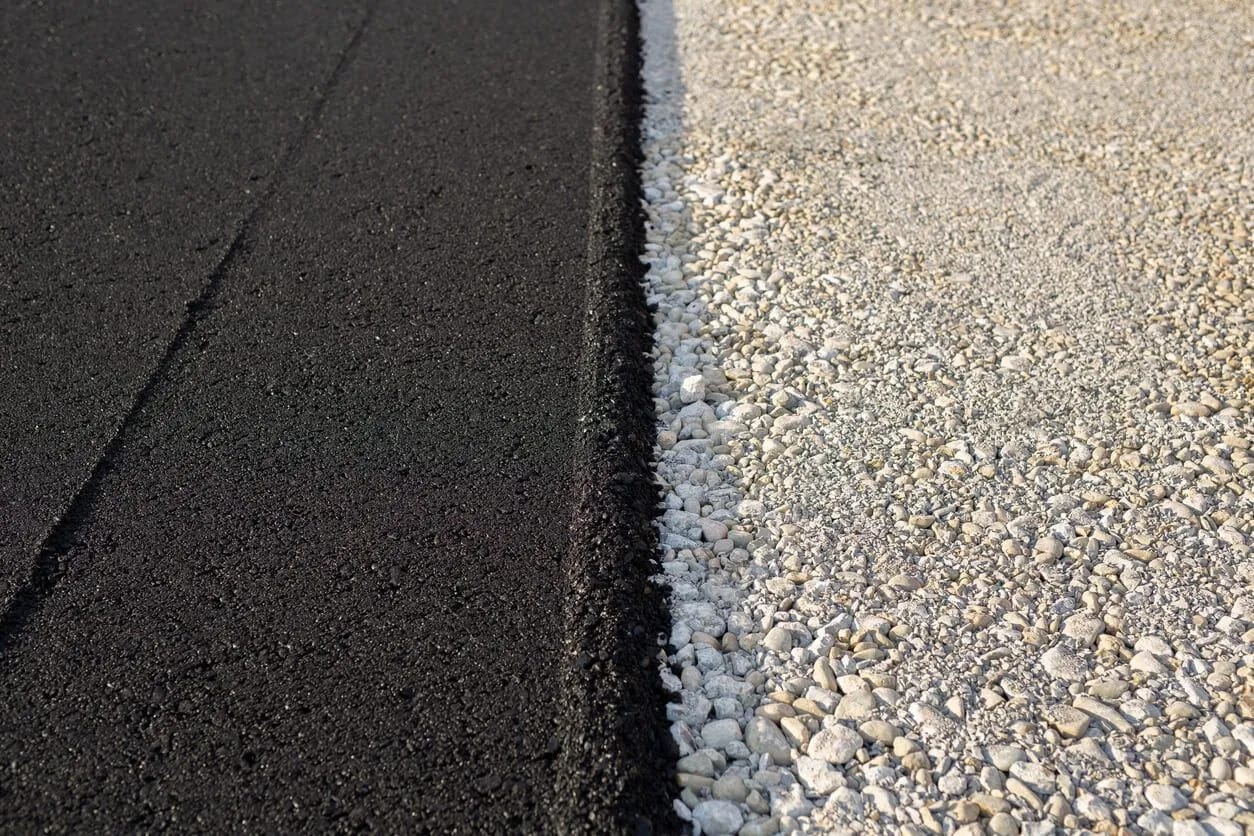
Upgrade your property with commercial gravel to asphalt conversions in Indianapolis, IN. We turn dusty, muddy gravel lots and drives into clean, durable asphalt surfaces. Our process includes grading, compaction, and paving designed for your traffic loads. Request a site visit and gravel lot paving quote today.
Precision Asphalt Indianapolis provides professional commercial gravel to asphalt throughout Indianapolis, IN, Indiana and the surrounding area. Our licensed, insured crew delivers safe, clean, on-time work with a free estimate before anything begins. Call (317) 793-2897 or request your free quote.
Turn Your Gravel Lot Into a Professional Asphalt Surface
If you manage a commercial property in Indianapolis, you already know how frustrating a gravel lot can be. Ruts after every rain, dust clouds when trucks pull in, mud tracked into your building, and constant grading costs all chip away at your time and budget. Precision Asphalt Indianapolis focuses on commercial gravel to asphalt conversions that turn those high‑maintenance surfaces into clean, durable asphalt lots that look professional and are easier to manage.
A well planned conversion does more than just put blacktop over stone. Done correctly, it improves drainage, extends pavement life, reduces liability risk, and creates a better first impression for customers and tenants. Our team evaluates how your property is used, what kind of vehicles you see daily, and how Indiana’s freeze‑thaw cycles will affect the new pavement. The result is a commercial asphalt surface designed to handle your specific traffic, not a one‑size‑fits‑all overlay.
From small private lots off Keystone Avenue to large industrial yards near I‑465, we help Indianapolis owners move away from dusty gravel and toward a surface that is easier to plow, stripe, clean, and insure.
Step‑by‑Step: How a Gravel Lot Becomes Commercial Asphalt
A quality commercial gravel to asphalt project follows a clear sequence. Skipping or rushing any step is usually what leads to early cracking, puddles, and wasted money. At Precision Asphalt Indianapolis, we start with a site visit where we measure the area, check subgrade conditions, and look for drainage problems like standing water or saturated spots.
The first production step is shaping and compacting the existing gravel. We bring in graders and compactors to create a consistent base, correcting dips and high spots. If your lot has soft areas where trucks sink or gravel pumps under tires, we undercut those sections and replace them with stronger aggregate. In many Indianapolis conversions we add additional base stone, since older gravel lots often lack the thickness needed for commercial traffic.
Next, we address drainage. Our crews create a precise slope, typically 1.5 to 2 percent, so water sheds toward drains, ditches, or swales instead of sitting on the pavement. If needed, we install or adjust catch basins, run new drain tile, or cut shallow surface swales to move water off the driving lanes. Good drainage is non‑negotiable in central Indiana, where repeated freeze‑thaw cycles can quickly destroy poorly drained pavement.
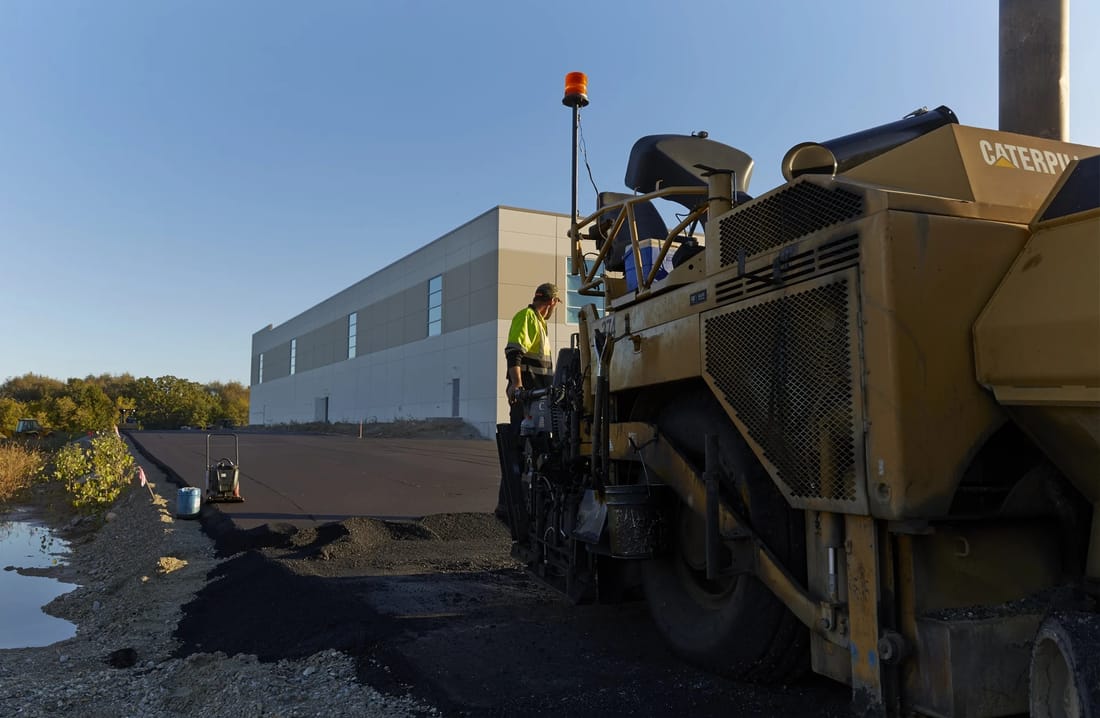
Once the base is sound and properly sloped, we apply a hot asphalt binder course, followed by a surface course. For most commercial applications we recommend a thicker binder layer under a finer surface mix. The binder provides strength for heavier vehicles, while the surface mix delivers a smoother, more attractive finish for customers and employees. We machine place and then compact both layers with steel drum and pneumatic rollers to achieve proper density and a tight, long‑lasting bond.
The final steps include handwork around edges, transitions to existing concrete, and then layout and striping for parking spaces, fire lanes, loading zones, and ADA‑compliant stalls. You end up with a clean, clearly organized asphalt lot instead of a loose gravel surface.
Design Options for Different Commercial Properties
Not every commercial gravel to asphalt project in Indianapolis should be built the same way. Precision Asphalt Indianapolis tailors the design to how your property operates and what your future plans are. A retail plaza on the north side with steady car traffic has different needs than a trucking yard on the south side that sees daily semi traffic.
For light‑duty parking, such as offices, churches, and medical facilities, we typically install a slightly thinner asphalt structure with a focus on a smooth finish, clean striping, and clear pedestrian routes. For heavier uses, such as equipment yards, distribution centers, or trash truck alleys behind shopping centers, we recommend thicker base stone, a heavier binder course, and sometimes a modified asphalt mix that handles slow turning truck traffic without rutting.
You can also choose how the perimeter is handled. Some clients prefer asphalt flush to the soil with gentle grading, which can work for landscape‑heavy sites. Others want concrete curb and gutter to control water flow and protect landscaping from parking encroachment. On gravel to asphalt conversions near existing concrete docks or sidewalks, we carefully plan height transitions so forklift ramps and door thresholds stay at the right elevation.
Markings and layout are another design element. Going from gravel to asphalt is a good time to rethink traffic flow. We help you decide where to add dedicated delivery lanes, loading zones, one‑way drives, and safer pedestrian paths. Clear striping, arrows, and signage reduce confusion and help property managers cut down on fender benders and congestion during peak hours.
What Affects Cost and Timeline in Indianapolis
Owners often ask why commercial gravel to asphalt quotes can vary so much. The condition and thickness of your existing gravel, the subgrade beneath it, and your traffic loads are the biggest cost drivers. A well‑compacted gravel lot with good drainage may only need minor base work and a standard asphalt section. A lot that holds water, has deep ruts, or sits on soft clay may require undercutting, soil stabilization, or more base stone, which increases cost but prevents future failures.
Access is another factor. A wide open site where trucks and pavers can move easily is faster and less expensive to build than a tight lot surrounded by buildings or fences. Working around active operations, such as busy drive‑thrus or 24‑hour warehouses, may require phasing so parts of the lot stay open, which can extend the project duration.
On the timing side, central Indiana weather matters. The best window for new asphalt work in Indianapolis is typically April through early November, when daytime temperatures support proper asphalt compaction. We can sometimes work outside that window, but it may require mid‑day scheduling and close monitoring of temperatures. For conversions, we encourage clients to schedule planning and site visits in late winter or early spring so we can secure a spot in the schedule before the construction season fills up.
Precision Asphalt Indianapolis provides transparent proposals that break out base work, drainage improvements, asphalt thickness, and striping so you can see how each choice affects cost. We will also explain where spending a bit more up front will save you from expensive repairs five years down the road.
Common Problems With Gravel Lots and How Conversion Solves Them
Long‑time gravel lots in Indianapolis tend to show the same issues: ruts in drive lanes, potholes where water collects, dust complaints from neighbors, and mud tracked into buildings. Heavy trucks push gravel aside, which then requires frequent grading and extra stone. After a while, you are paying over and over for a surface that never truly stabilizes.
A properly designed commercial gravel to asphalt conversion addresses these problems at their root. Ruts and potholes are eliminated by correcting subgrade issues and building consistent base thickness. Dust disappears because asphalt is a bound surface, not loose aggregate. Snow removal becomes far more efficient since plows can scrape cleanly without digging up gravel. Insurance carriers also tend to look more favorably on paved lots with defined pedestrian routes and visible markings, which can help with risk management.
If you have specific trouble spots, such as an area where trucks always spin or where water stands after every rain, we pay special attention to those in our design. Sometimes this means reinforcing only certain lanes with thicker sections while keeping the rest of the lot standard. In other cases we may regrade a small section or add a drain instead of raising the entire site. Precision Asphalt Indianapolis focuses on solving the actual issues you see on your property, not just putting a uniform layer of asphalt over existing problems.
What to Expect When You Work With Precision Asphalt Indianapolis
For most commercial gravel to asphalt projects, the active paving portion takes one to several days, depending on size and complexity. Before we begin, we walk you through a clear schedule that includes any temporary closures, alternate access routes, and coordination with your tenants or operations team. We understand that your business still needs to function, so we often phase work so key entrances or loading areas remain usable whenever possible.
During construction, expect some noise, equipment movement, and restricted parking in work areas. Our crews set up signage and barricades so employees, customers, and delivery drivers know where to go. We maintain a clean, organized site, removing loose debris and keeping access points as tidy as conditions allow.
Once asphalt is placed and compacted, light vehicle traffic is often possible within 24 hours, with heavier truck traffic sometimes held back slightly longer depending on temperatures and mix type. We give you simple maintenance guidance, such as when to consider the first sealcoat, how to address minor oil spills, and what de‑icing materials are best for new asphalt in Indiana winters.
After completion, we are available to walk the site with you, answer questions, and discuss a long‑term maintenance plan so your investment lasts. When you are ready to explore converting your gravel lot to asphalt, Precision Asphalt Indianapolis can provide a site‑specific evaluation, straightforward pricing, and a design that fits the way your property is actually used in Indianapolis.