Home › Asphalt Milling and Reclamation
Prepare your pavement for a new surface with asphalt milling in Indianapolis, IN. We remove precise depths of existing asphalt to correct grades and profiles. For deeper rehab, our reclamation services recycle pavement and base in place. Ask for a site evaluation and milling or reclamation estimate today.
Precision Asphalt Indianapolis provides professional asphalt milling throughout Indianapolis, IN, Indiana and the surrounding area. Our licensed, insured crew delivers safe, clean, on-time work with a free estimate before anything begins. Call (317) 793-2897 or request your free quote.
Asphalt Milling and Reclamation in Indianapolis, Done the Right Way
Asphalt milling is one of the most practical ways to restore a worn-out pavement without paying for a full tear-out and replacement. At Precision Asphalt Indianapolis, we use milling and reclamation to fix ruts, cracking, and drainage issues on streets, parking lots, HOA roads, and commercial drive lanes across Indianapolis and the surrounding communities.
Milling means we grind off a controlled depth of your existing asphalt surface with a specialized machine, then restore it with new, compacted asphalt. Full-depth reclamation goes deeper. We pulverize the existing asphalt and part of the stone base, blend in additives if needed, then compact it into a new, stable foundation before paving on top. Both methods reuse your existing materials, which can significantly reduce trucking, landfill fees, and total project cost.
Indianapolis property owners often choose milling when the surface is rough or holding water, but the underlying base is still strong. Reclamation is a better fit when the pavement has widespread alligator cracking, soft spots, or has been patched so many times that it no longer drains or supports traffic correctly. Precision Asphalt Indianapolis evaluates the structure under your pavement before we recommend a method so you are not paying for more work than you actually need.
Our Step-by-Step Asphalt Milling Process
A well planned milling project starts with a careful site review. Our estimator checks your pavement for existing drainage patterns, ponding areas, major cracks, and soft spots. We note utilities, drainage structures, and transitions to concrete, such as curb lines and dock aprons. In Indianapolis, we also look at snowplow wear patterns and rutting from repeated freeze-thaw cycles, which help us choose the right milling depth.
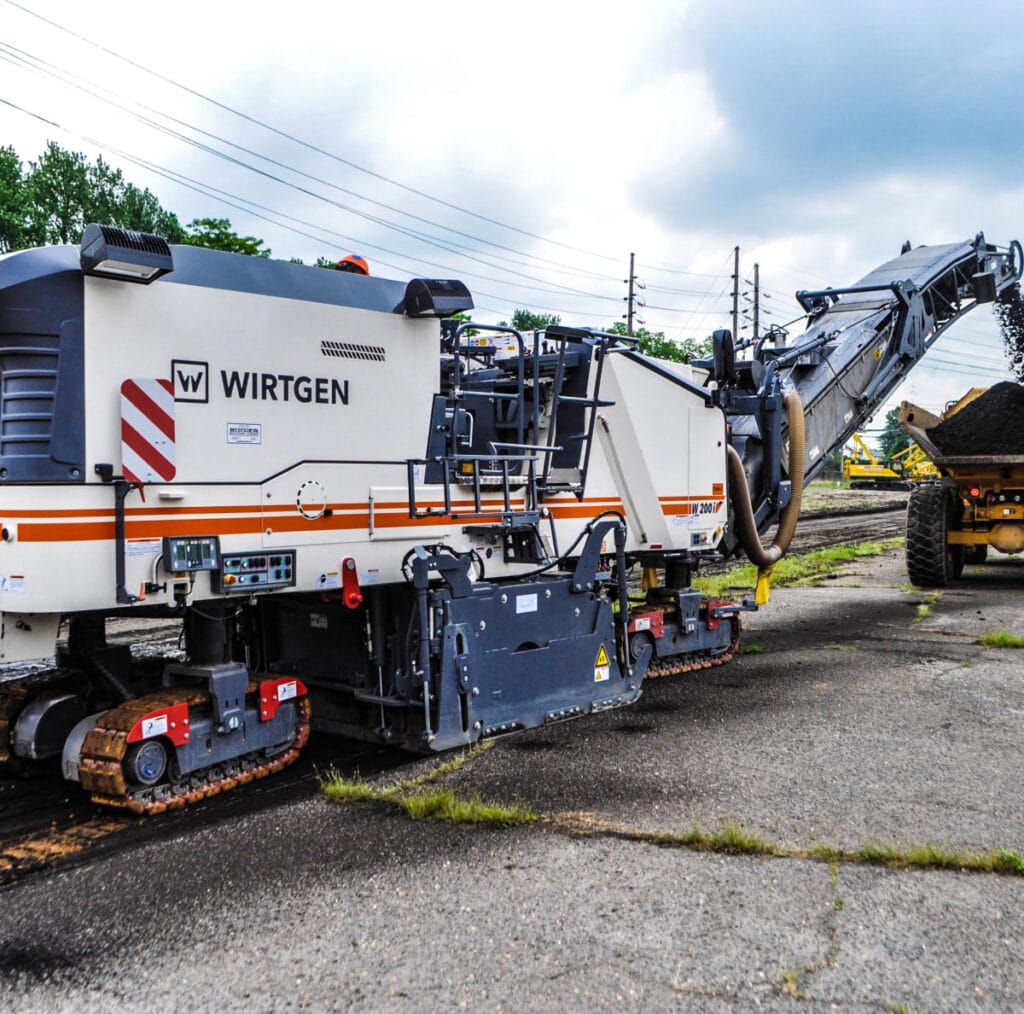
On milling day, we start by setting up traffic control so your site stays safe and accessible. For active businesses, Precision Asphalt Indianapolis can phase the work so part of your lot remains open. Our milling machine uses a rotating drum with steel teeth to grind the asphalt surface to a set depth, usually between 1 and 3 inches for typical lots, and we can go deeper if necessary. We set the machine grade using automatic controls so the milled surface stays even and slopes correctly toward drains.
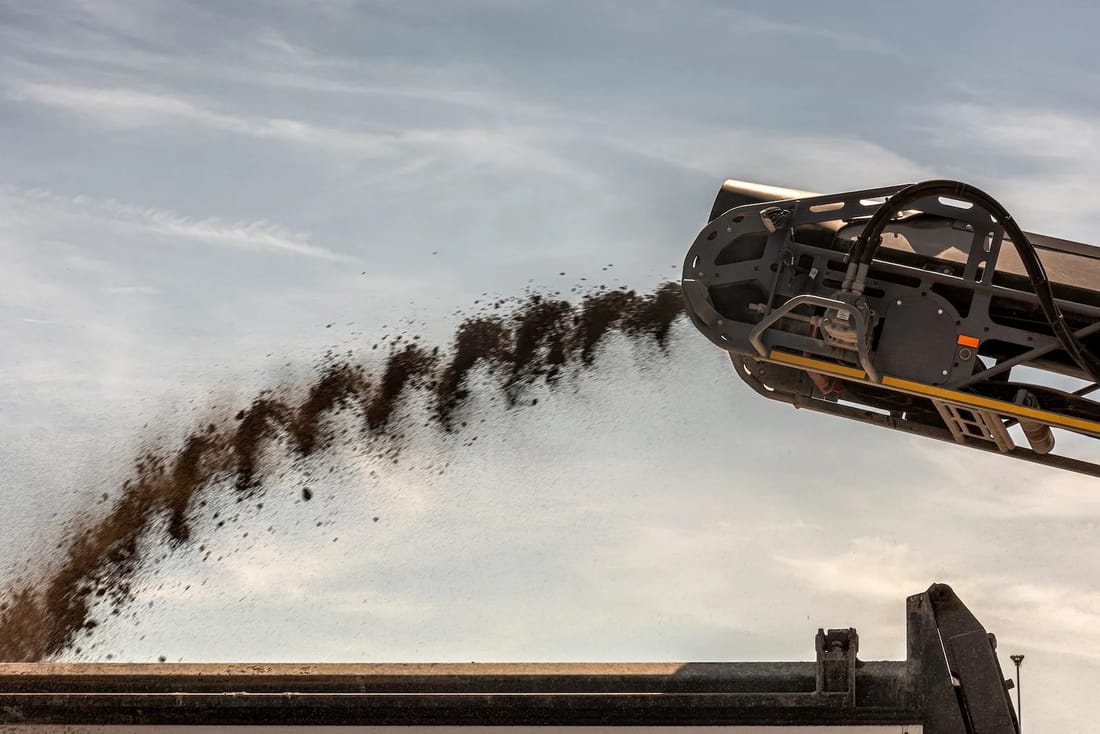
As the drum mills the asphalt, conveyors load the reclaimed material into dump trucks. That material is hauled to an asphalt plant to be recycled into new mix. After milling, our crew cleans the surface carefully with sweepers and blowers, paying special attention around storm drains and curb lines. We then inspect the exposed layer for base failures or hidden soft spots that were not visible before. If we find any, we saw cut and repair those areas before paving. Finally, we install a new asphalt overlay, compacted in multiple passes with steel drum and rubber-tire rollers to lock in density and smoothness.
Full-Depth Reclamation for Failing Pavement
When a parking lot or road in Indianapolis has deep structural problems, milling just the surface will not fix the root cause. That is when full-depth reclamation becomes the smarter long-term solution. Precision Asphalt Indianapolis uses reclamation to turn badly broken asphalt and unstable base into a new, solid foundation.
First, we evaluate core samples or test pits to see how thick your asphalt and base layers are. If we see widespread base failure, pumping water, or evidence that the stone base was never compacted properly, reclamation is usually the most cost-effective option. We mark utilities and control the working area, then our reclaimer pulverizes the existing asphalt and a set depth of the base underneath, often 6 to 10 inches deep, depending on the project needs.
We can mix in cement or other stabilizing agents as we reclaim, which improves strength and moisture resistance. The blended material is then graded to restore proper slopes, compacted with heavy rollers, and checked for density. In effect, you end up with a brand new, high-strength base built from the materials you already had on site. After the reclaimed layer cures, we place one or more lifts of new asphalt on top, then stripe and open the area to traffic. This approach is especially valuable for older industrial sites, heavily loaded drive lanes, and HOA roads that have been patched too many times to mill effectively.
Local Factors That Affect Your Project in Indianapolis
Central Indiana weather has a big influence on when and how asphalt milling and reclamation should be done. Freeze-thaw cycles in Indianapolis create potholes and cracks as moisture in the pavement expands and contracts. Precision Asphalt Indianapolis typically recommends scheduling milling and paving from late spring through early fall when temperatures are more consistent and asphalt can compact and cure correctly.
Early spring projects can be successful if the base is dry enough, but deep reclamation may need to wait until the ground has fully thawed so we do not trap moisture in your new base. Late fall work is possible on some days, but we watch nighttime temperatures closely to avoid paving when it is too cold to achieve proper density. For high-traffic commercial lots, we often suggest shoulder seasons such as May or September, when we are less likely to battle extreme heat or sudden storms.
Local soil conditions also matter. Parts of Indianapolis and surrounding counties have clay-rich subgrades that hold water. On these sites, our team may recommend undercutting soft spots, adding geotextile fabric, or increasing base thickness during reclamation to prevent future rutting and heaving. Drainage is another local concern. Many older lots were built without enough inlets or with flat grades. Milling allows us to subtly adjust slopes and restore positive drainage toward existing structures without fully rebuilding the site.
Cost Drivers, Options, and Common Issues We Solve
The cost of asphalt milling or reclamation in Indianapolis depends on several specific factors. Milling depth, total square footage, site access, and how many phases are needed to keep your business operating all play a role. Thick overlays, tight working areas between buildings, and complex tie-ins to concrete curbs or loading docks can increase costs slightly because they require slower, more careful milling and extra hand work.
For reclamation, depth of treatment, need for stabilizing agents, and existing base conditions will drive the budget. If your lot has many soft areas that need undercutting and replacement stone, the cost will be higher than a site where the base is uniform. Precision Asphalt Indianapolis is transparent about these variables and provides clear line items for milling, base repair, paving, and striping so you know exactly what you are paying for.
Common issues we address include puddling around drains, abrupt transitions between new and old pavement, and recurring longitudinal cracks along trench lines. During milling, we adjust grades near inlets to eliminate birdbaths. We feather mill edges at sidewalks and docks to create smooth transitions and avoid trip hazards. If trenches or utility cuts are failing, we correct those areas before overlaying so cracks do not reflect through your new asphalt.
We also plan for your operations. For retail and medical facilities, we often split the project over two or more days, barricading only part of the lot at a time. For apartment communities, we coordinate with management so residents know where to park each day. This planning is just as important as the technical work, because it keeps your site usable while we improve it.
What Indianapolis Property Owners Should Know Before Hiring
Choosing the right contractor for asphalt milling and reclamation is as important as choosing the right method. Ask any company bidding your Indianapolis project what milling depth they are planning and how they determined it. A one-size-fits-all depth is a red flag. At Precision Asphalt Indianapolis, we base our recommendations on visual inspection, thickness checks, drainage behavior, and how your pavement is actually used (light cars, delivery trucks, or heavy industrial traffic).
You should also ask where your milled material is going. Responsible contractors send it to an asphalt plant for recycling or reuse in base layers. This is standard practice for us, and in many cases helps control your cost. On reclamation projects, ask what type of stabilizer, if any, will be used, and how density will be tested. Proper compaction of the reclaimed layer is critical to prevent future settlement and cracking.
Finally, review the sequence of work and how it affects your tenants or customers. A clear plan should include traffic control, phasing, work hours, and how weather delays will be handled. In Indianapolis, sudden thunderstorms can interrupt a paving day, so you want a crew that monitors forecasts and is prepared to protect partially completed areas. Precision Asphalt Indianapolis provides written schedules and stays in contact throughout the project so you always know what is happening on your property.
If you are not sure whether your lot needs milling, reclamation, or full replacement, we are happy to walk the pavement with you, explain what we see in plain language, and outline more than one option when it makes sense. Our goal is to match the solution to the actual condition of your pavement and your budget, so you get the most years of safe, smooth service out of your investment.